
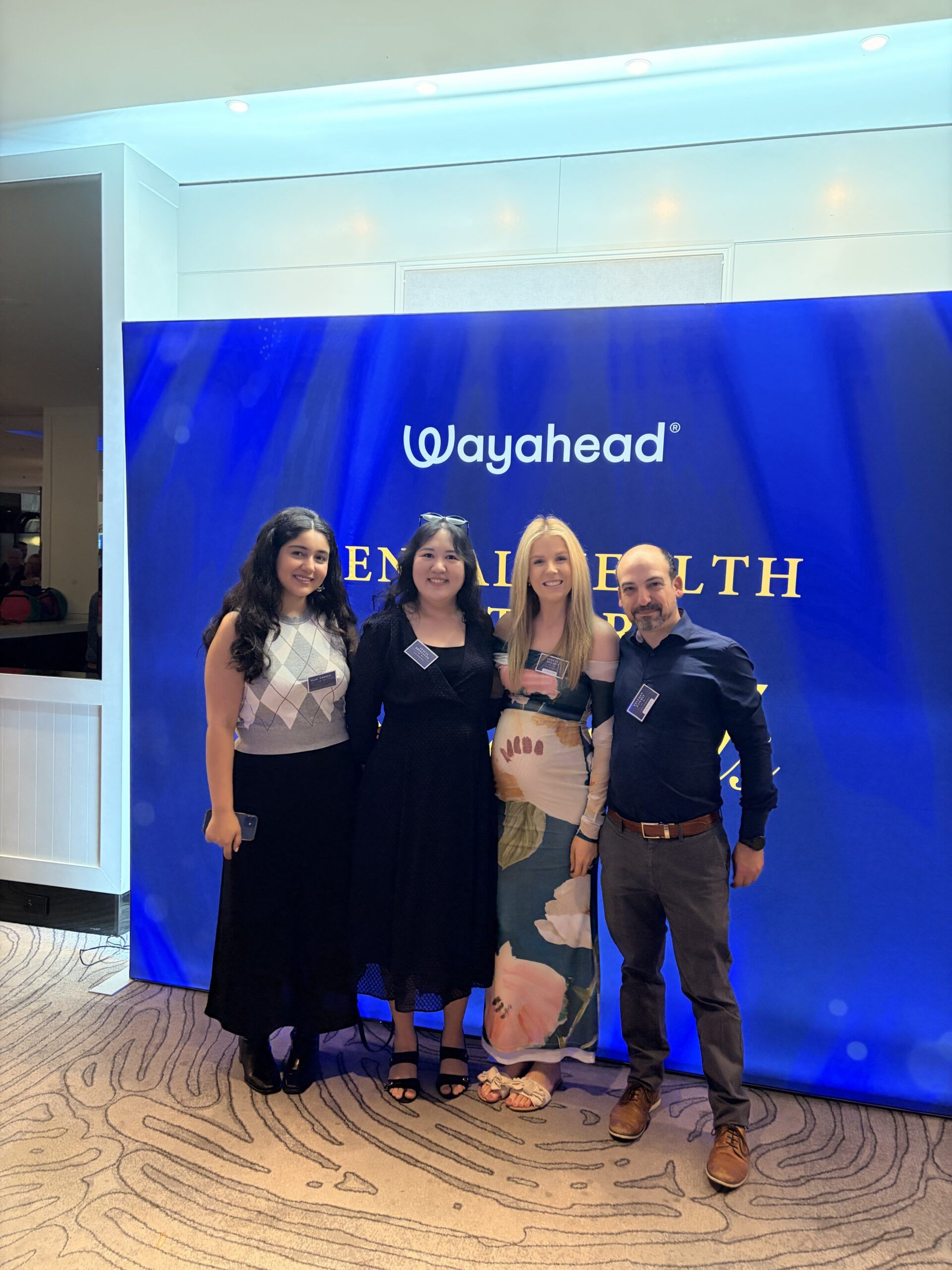
New Horizons’ i.am program wins Mental Health Matters Youth Award
New Horizons is proud to announce that our pioneering suicide aftercare program, i.am, has been awarded the Mental Health Matters
Mental Health Month in October is all about awareness, connection, and action. If you’re struggling or just feel like something isn’t quite right, you don’t have to go through it alone. This year, the theme for Mental Health Month is “taking steps on your wellbeing journey.”
Getting a mental health care plan is a simple, confidential, and supportive way to take the first step on your wellbeing journey.
A mental health care plan, sometimes called a mental health treatment plan, is a document your General Practitioner (GP) creates with you. It will outline your mental health concerns and will cover treatment options, including referrals to mental health care professionals such as psychologists. It might include strategies for maintaining mental health, as well as goals agreed by you and your doctor.
Your mental health information and treatment plan will be private. Doctors can’t share your information unless you agree to it.
A mental health care plan lets you claim up to 10 individual and 10 group sessions on Medicare with an eligible mental health professional each calendar year. This means your out of pocket costs will be lower, or free, if the service bulk bills. If you have private health insurance, you might be able to get some money back, so be sure to check with your insurer.

Your GP will ask questions about how you’ve been feeling emotionally, physically and mentally. They might ask about your sleep, mood, relationships, work or school, and they may ask you to complete a questionnaire. This helps them understand what support might be the most helpful for you.
Before your appointment, it can be handy to write down a list of things you’d like to discuss.
3. Your GP prepares the plan
If your doctor thinks a plan will help, they’ll create one with you. This could include:
4. Receive your plan and get referred to a mental health professional
5. Keep your plan up-to-date
New Horizons is proud to announce that our pioneering suicide aftercare program, i.am, has been awarded the Mental Health Matters
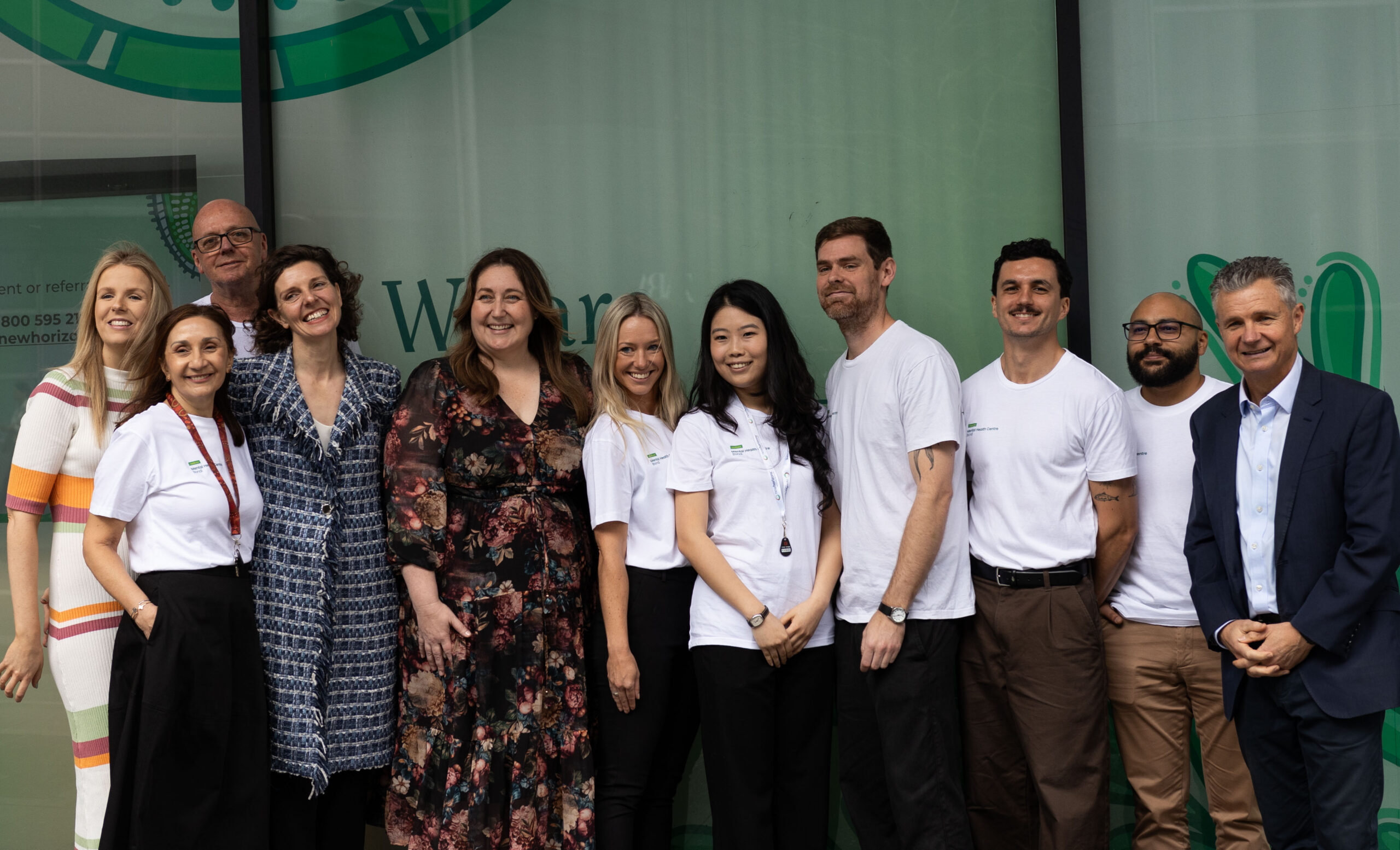
We're delighted to announce the official opening of the Bondi Medicare Mental Health centre. Delivered by New Horizons and commissioned

For the past few months, teams across New Horizons have been gearing up for a huge milestone: the launch of
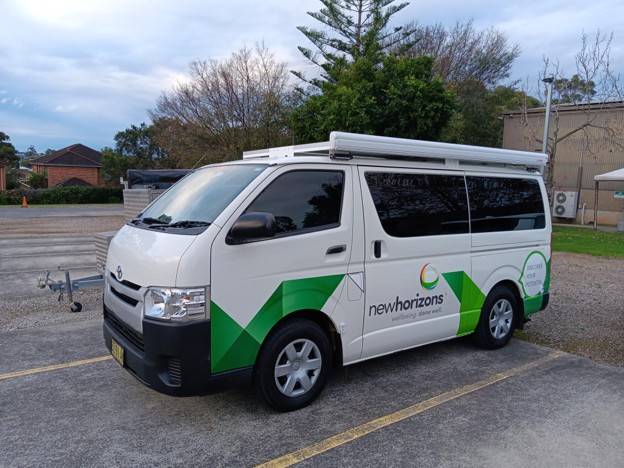
New Horizons has proudly launched a new outreach van in Kempsey, bringing homelessness support services directly to the people who

This R U OK? Day (Thursday, 10 September 2026), Australians are being reminded that checking in on each other shouldn't
“Men’s Mental Health Week (15–21 June) is a chance to break down the silence that still surrounds men’s mental health.”
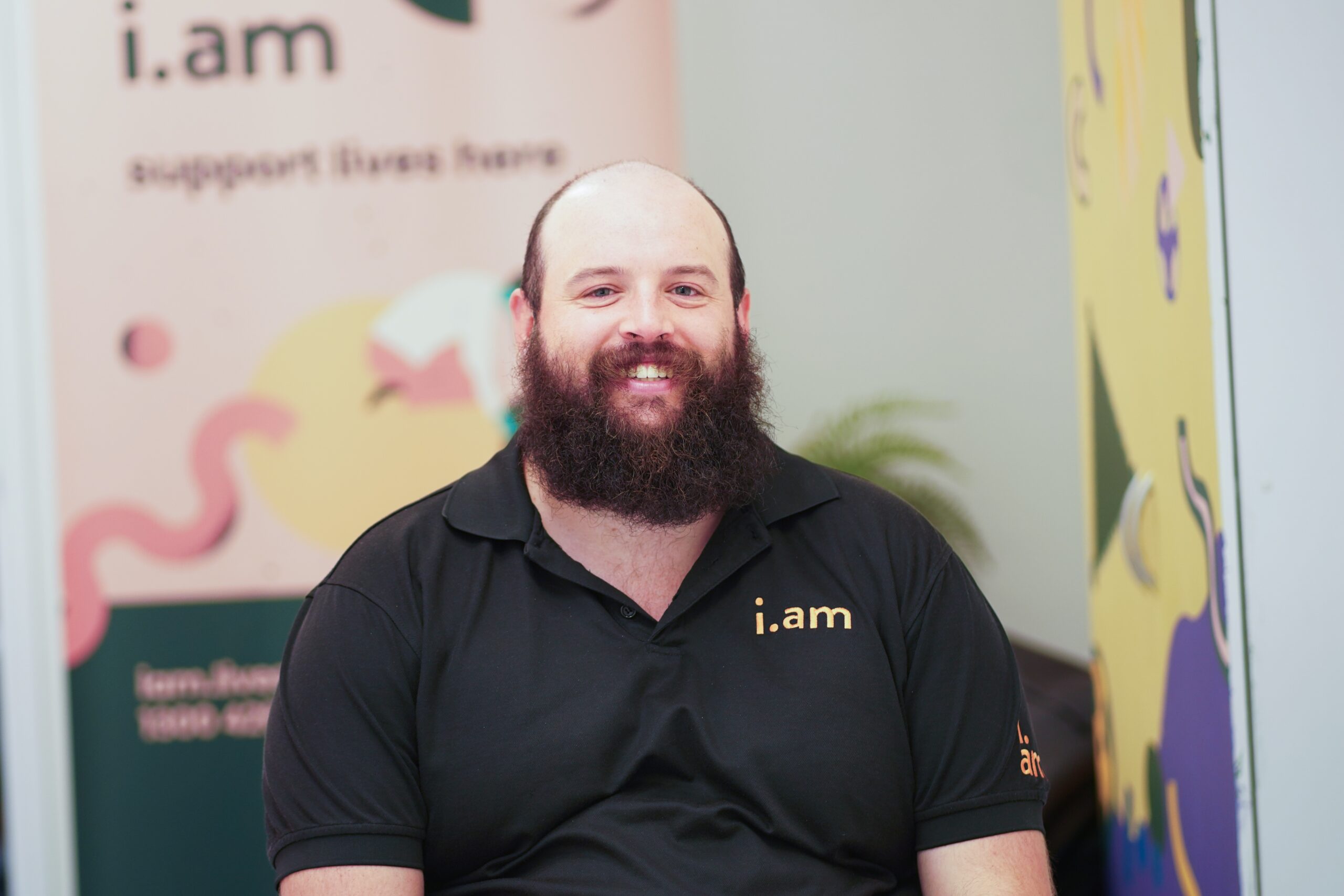
“Men’s Mental Health Week (15–21 June) is a chance to break down the silence that still surrounds men’s mental health.”
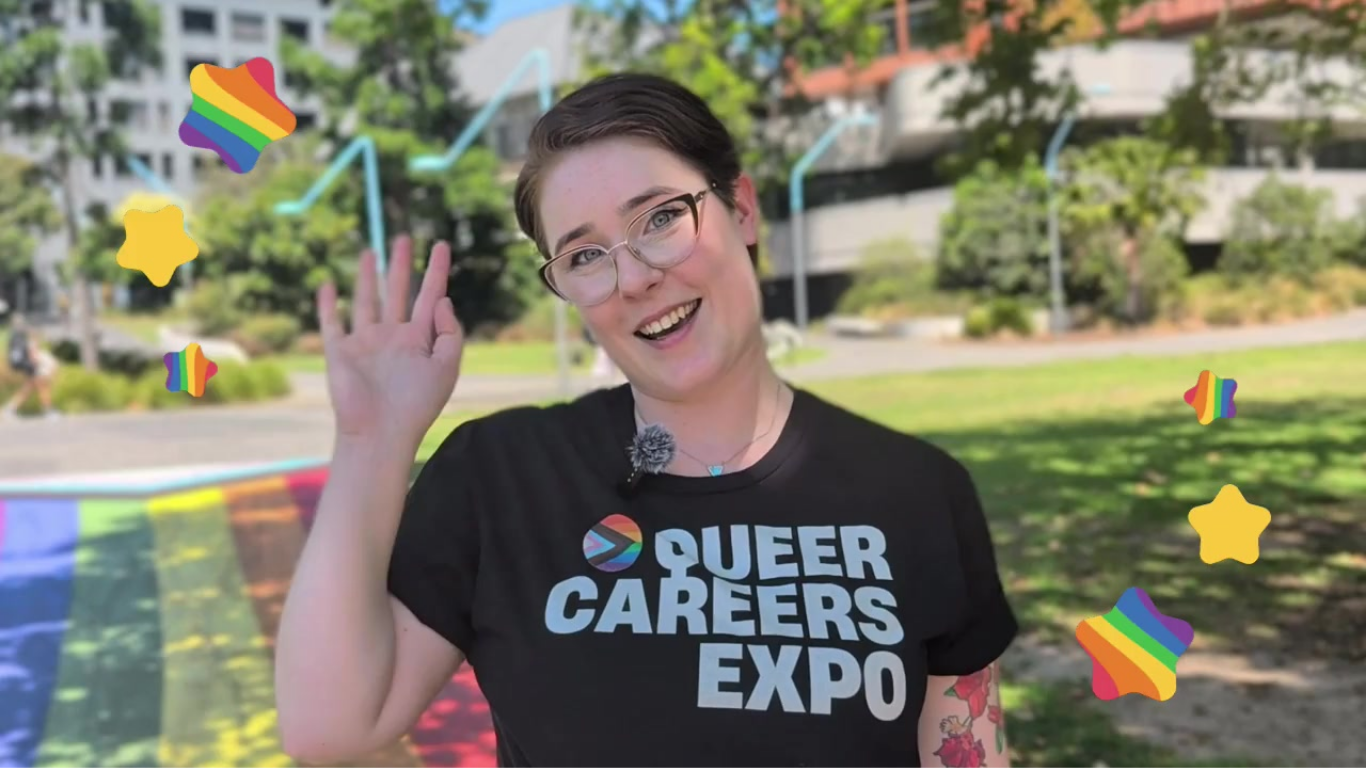
Finding a workplace where you can be your whole self shouldn't be a privilege, it should be a given.
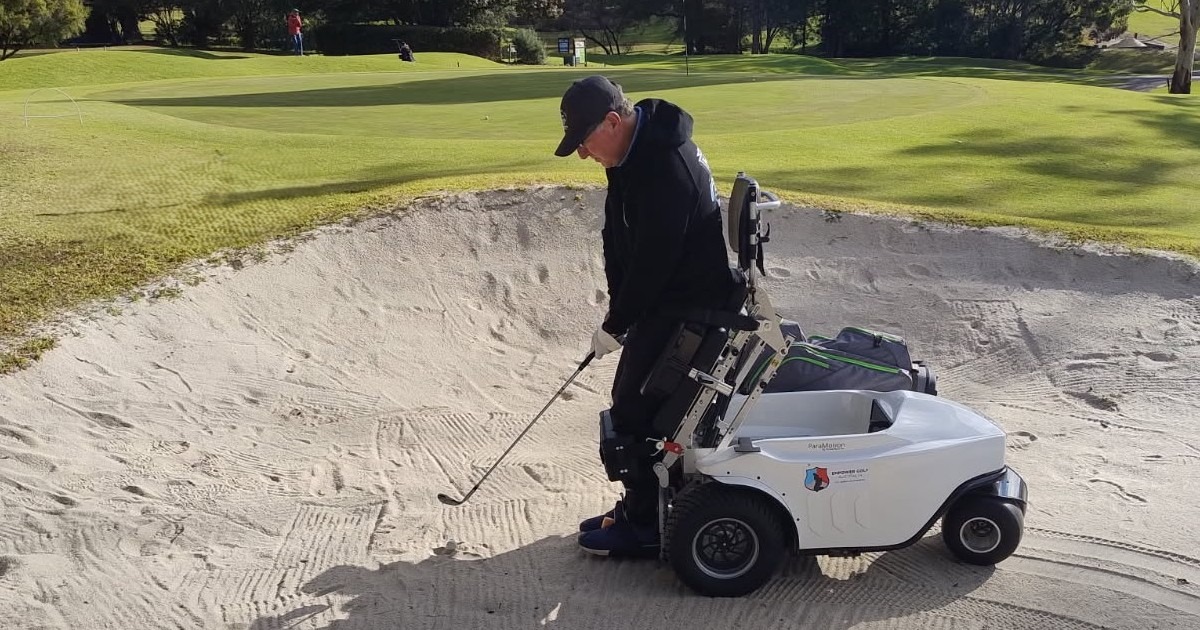
Meet Jason Sheard, Australia’s top-ranked wheelchair golfer and a proud New Horizons Support Coordination client. Having moved from occasional social
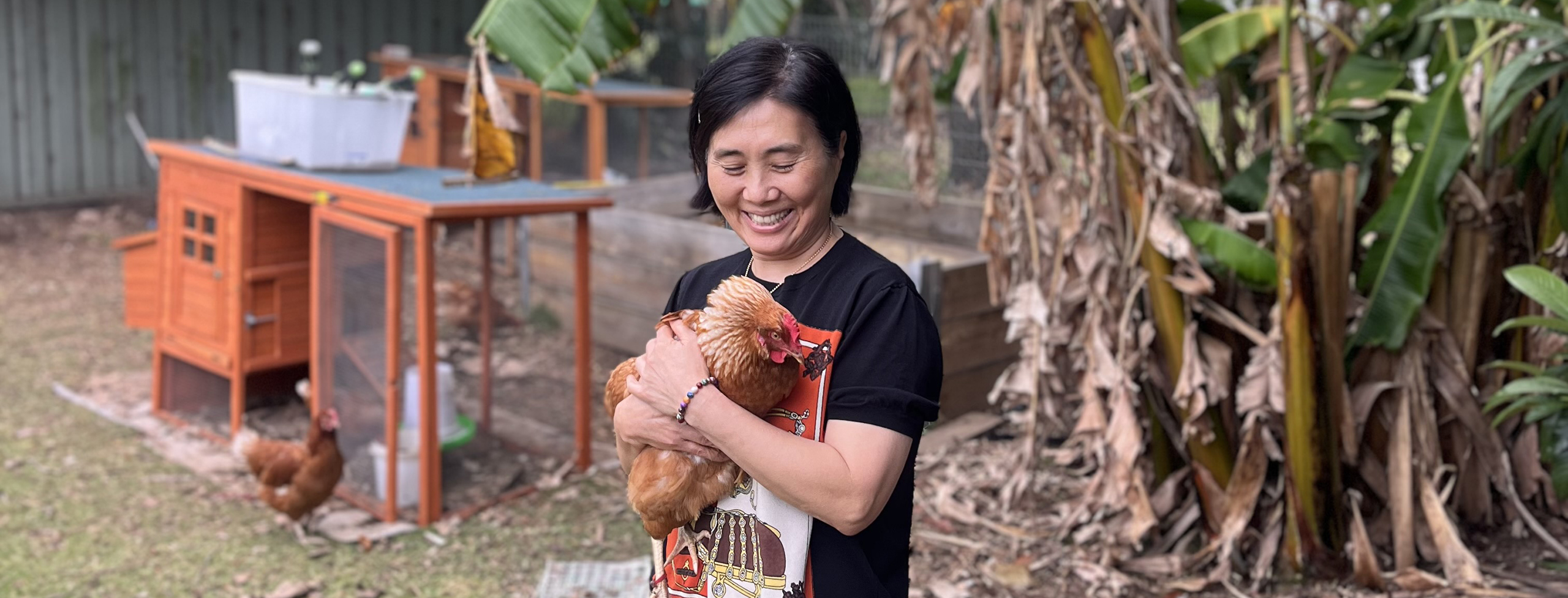
In the convenient Sydney suburb of Ryde, three men share a home that's full of personality, warmth, and routine. This

Today, on the International Day of People with Disability, we are reminded that an inclusive society is not only a

Every young person deserves access to safe, inclusive and effective mental health support. At headspace, the national youth mental health
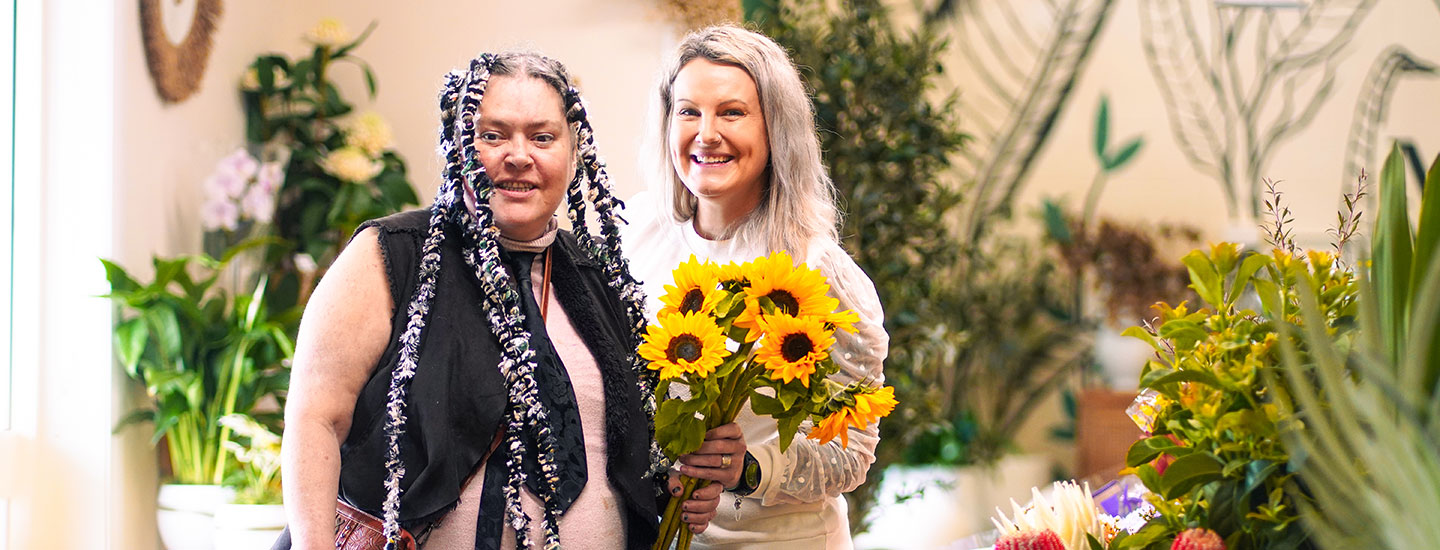
Mental Health Month in October is all about awareness, connection, and action. If you’re struggling or just feel like something

For Mental Health Month, we sat down with Daniela Allison, General Manager for Sydney and the Central West at New

For our CEO Luke Buckley, one of his first experiences out of university became the foundation of his life’s work.

As we mark mental health month, it’s a chance to pause and reflect not only on the importance of looking
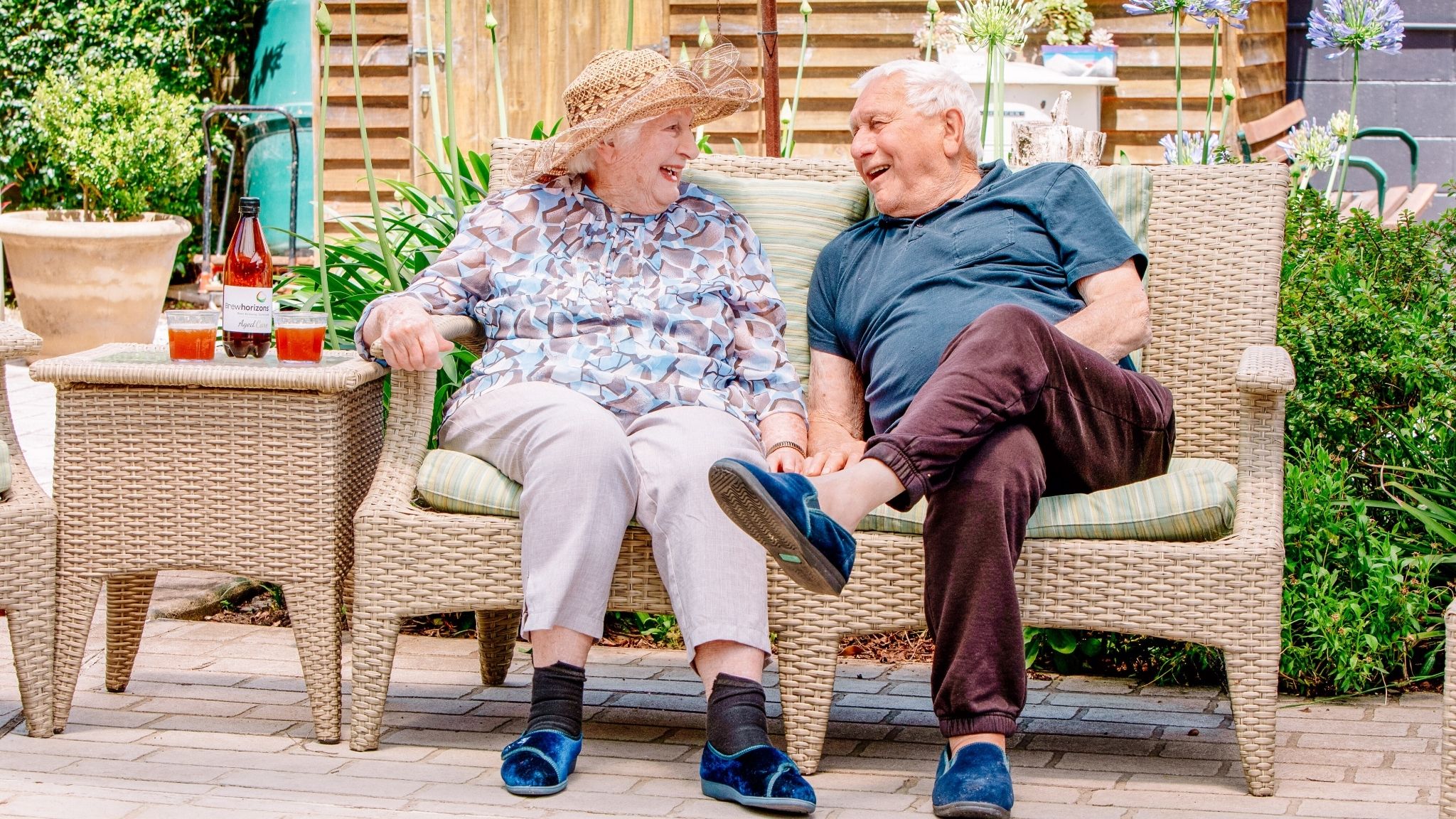
The way aged care support is delivered in Australia is evolving, and here at New Horizons, we’re ready to guide

This R U OK? Day (September 11, 2025), Australians are being reminded that conversations about mental health shouldn’t happen just

Navigating the complexities of mental health can often feel isolating. While professional support plays a vital role, the understanding and

Choosing a SIL home is a big decision, and it’s all about finding a place where you feel comfortable, safe,