
50 Years of Deadly: Celebrating NAIDOC Week 2026 and Our
“Men’s Mental Health Week (15–21 June) is a chance to break down the silence that still surrounds men’s mental health.”
Peer work is a unique approach to mental health support. It’s delivered by people who have their own Lived, Living, and Learned Experience Expertise (LLLEE) of mental health challenges, recovery, and navigating services. Peer workers don’t come as “experts” to fix you—they come as someone who understands and walks alongside you.
“Peer support is about being an expert at not being an expert, and that takes a lot of expertise.” – Repper, 2011
Our Peer Workers bring:
Why choose peer support?
Working with a Peer Worker can help you:

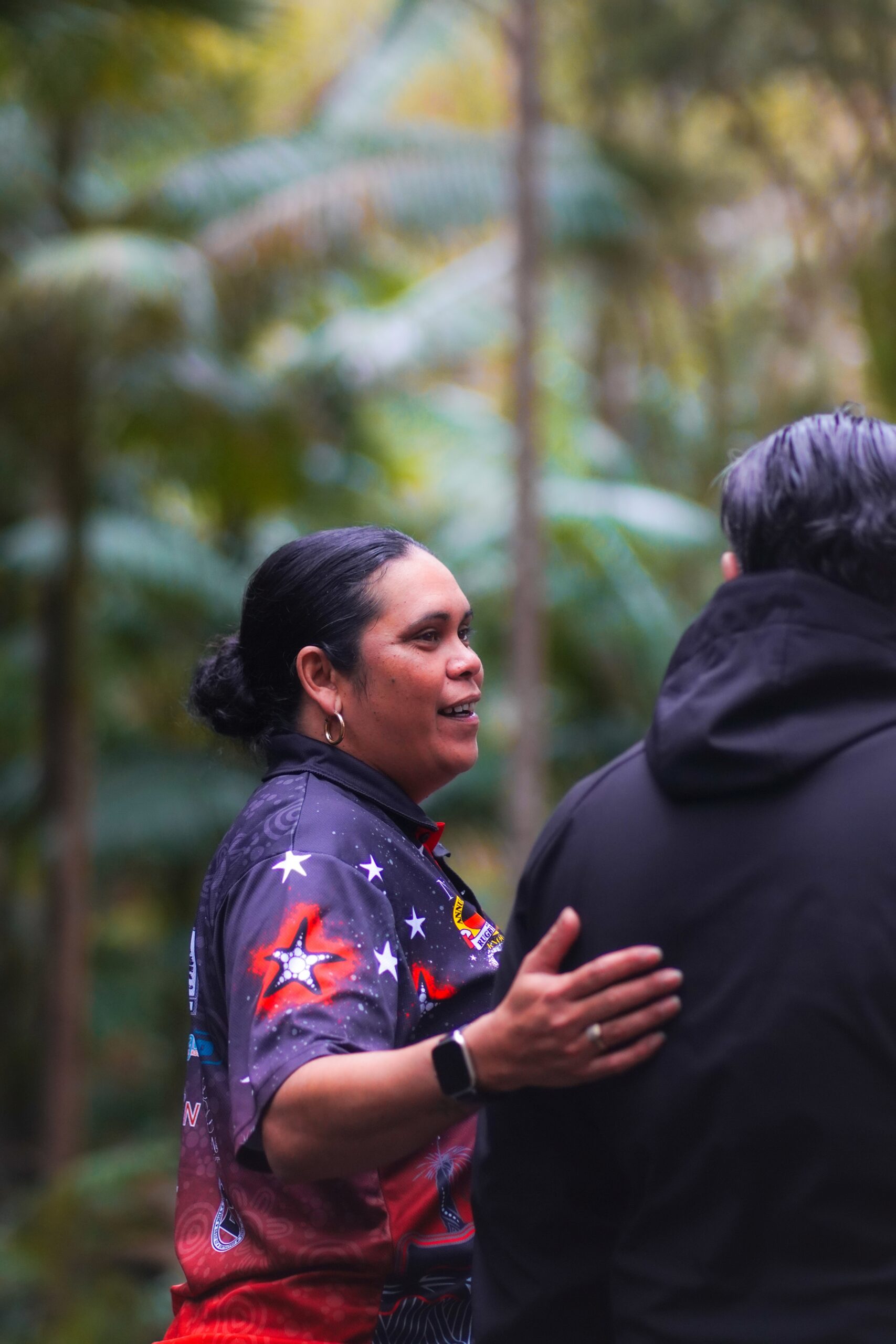
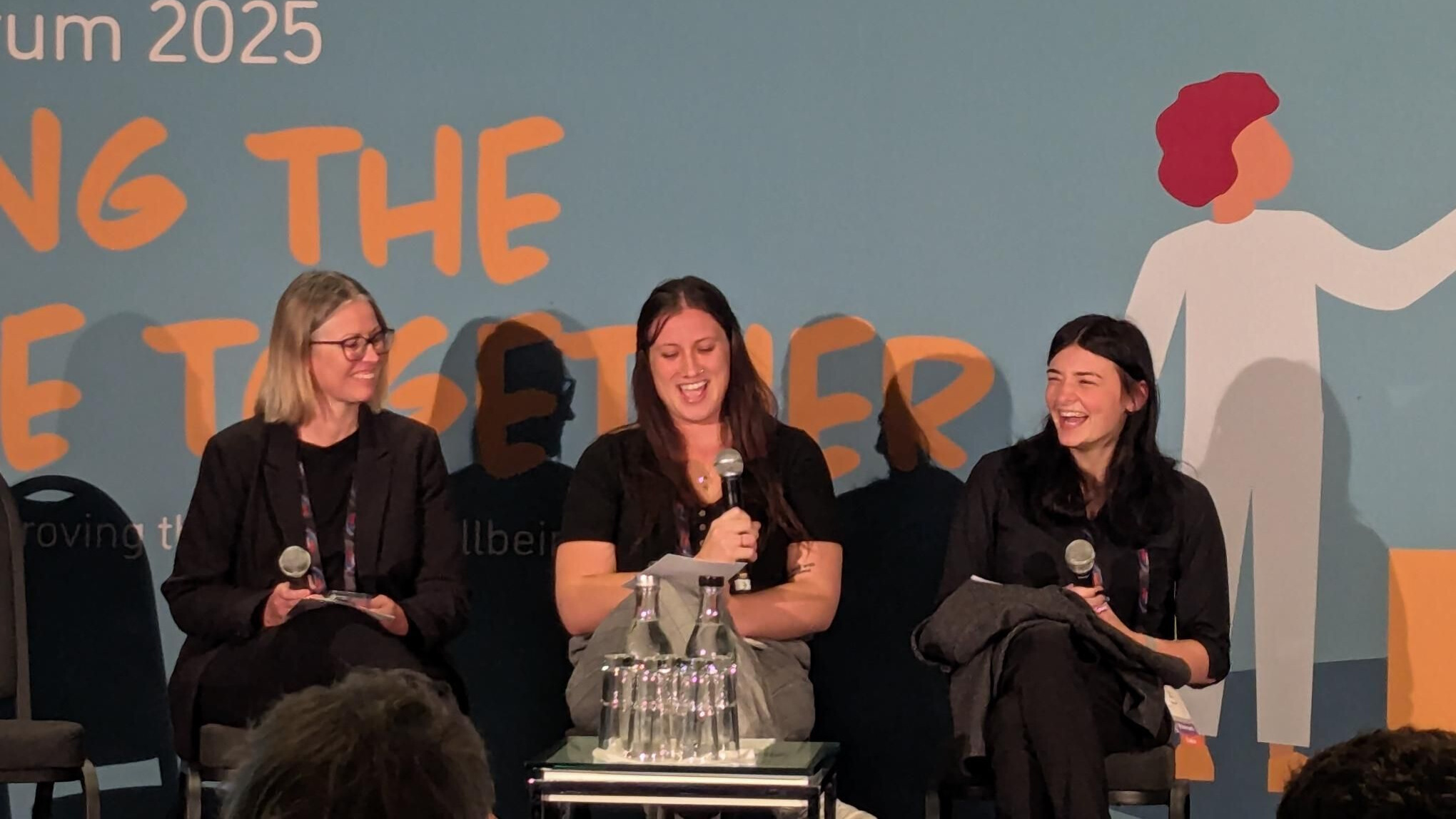
Kalei, New Horizons Peer Youth Worker
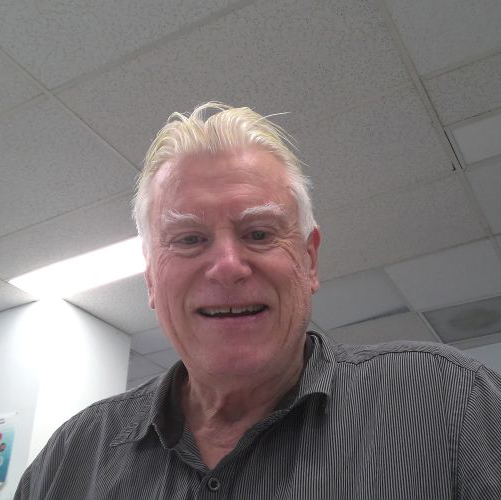
Peter, New Horizons Peer Worker
Peer work at New Horizons
Peer Workers are an integral part of our multidisciplinary teams. They collaborate across services such as:
Who can benefit?
Interested in becoming a Peer Worker?
Not everyone with lived experience is suited for peer work. It requires:
For more information, contact Peter Schaecken at 0498 039 854.
Why peer work matters
Peer work is grounded in human rights and social reform, challenging stigma and promoting recovery. It’s about connection, empowerment, and authenticity, ensuring that every person feels seen, heard, and valued.
Our values
Hope | Equality | Respect | Mutuality | Empathy | Choice | Authenticity | Inclusion | Interconnectedness | Reciprocity and justice
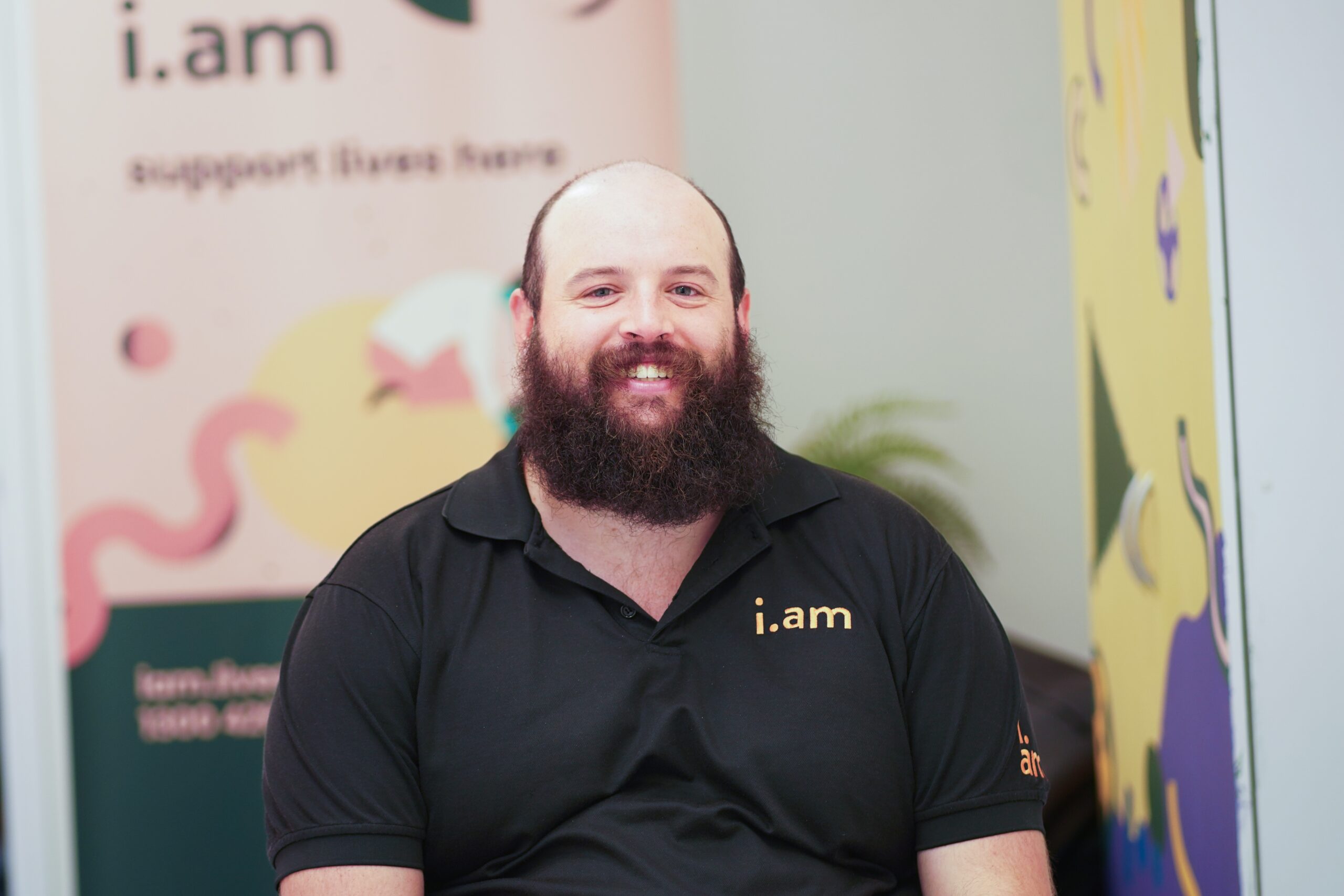
Article by: Kalei, Peter, Michael, and Mitchell, New Horizons Peer Workers
“Men’s Mental Health Week (15–21 June) is a chance to break down the silence that still surrounds men’s mental health.”
“Men’s Mental Health Week (15–21 June) is a chance to break down the silence that still surrounds men’s mental health.”
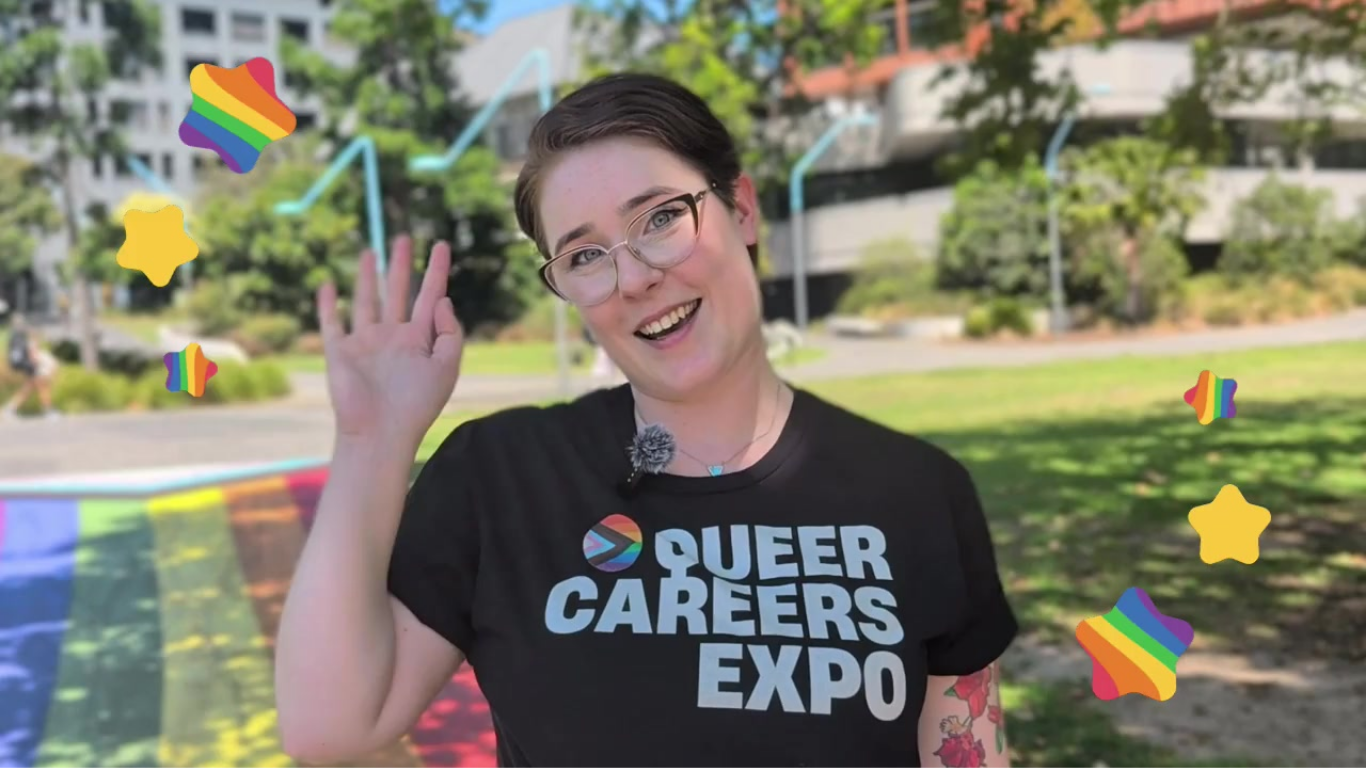
Finding a workplace where you can be your whole self shouldn't be a privilege, it should be a given.
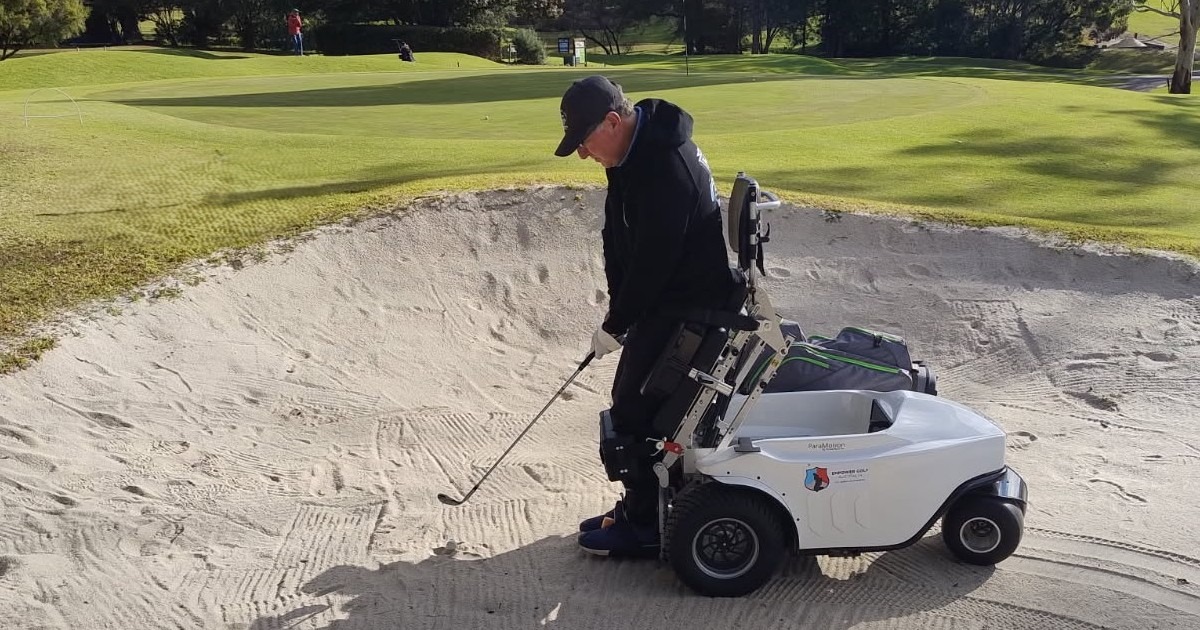
Meet Jason Sheard, Australia’s top-ranked wheelchair golfer and a proud New Horizons Support Coordination client. Having moved from occasional social
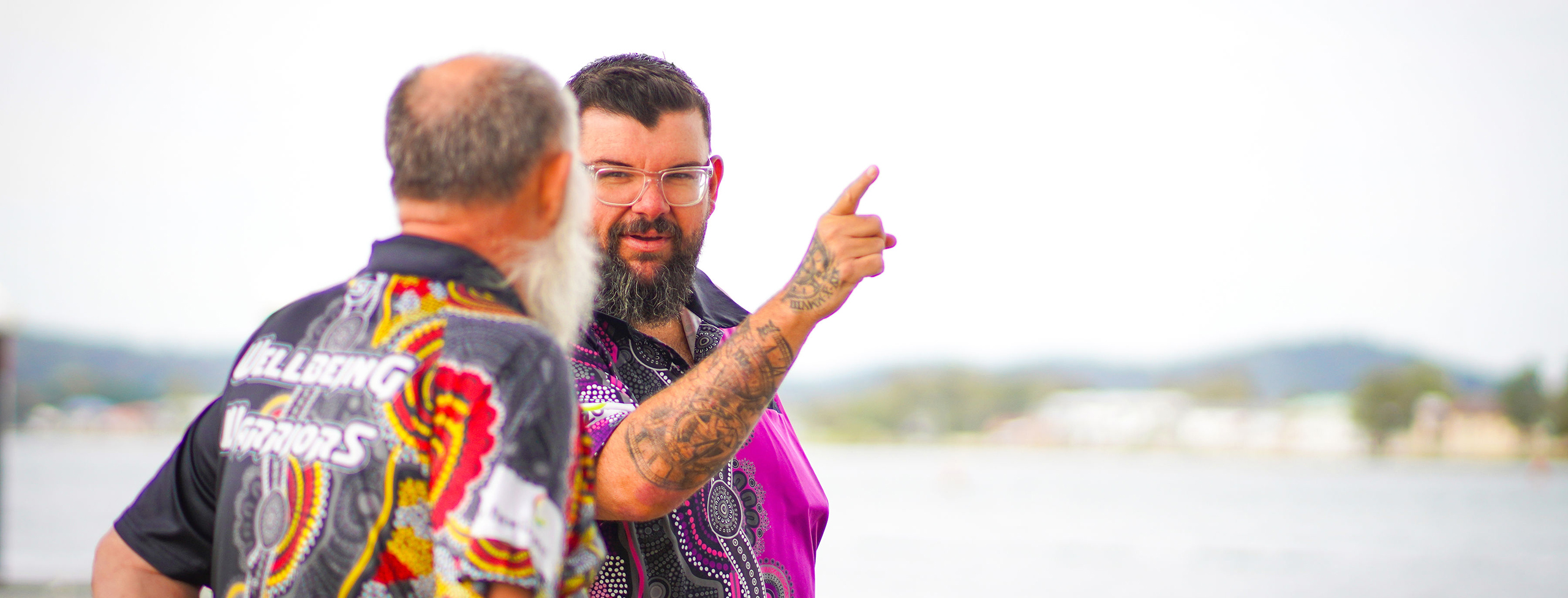
In the convenient Sydney suburb of Ryde, three men share a home that's full of personality, warmth, and routine. This
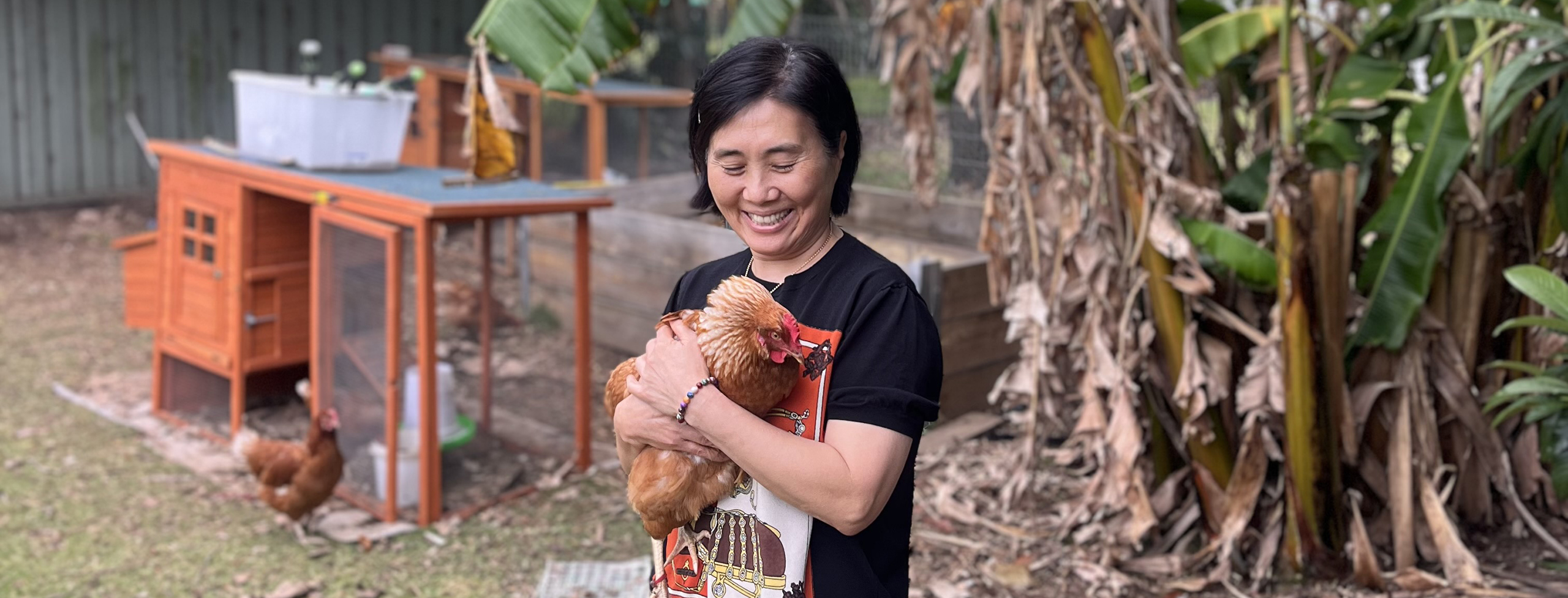
In the convenient Sydney suburb of Ryde, three men share a home that's full of personality, warmth, and routine. This
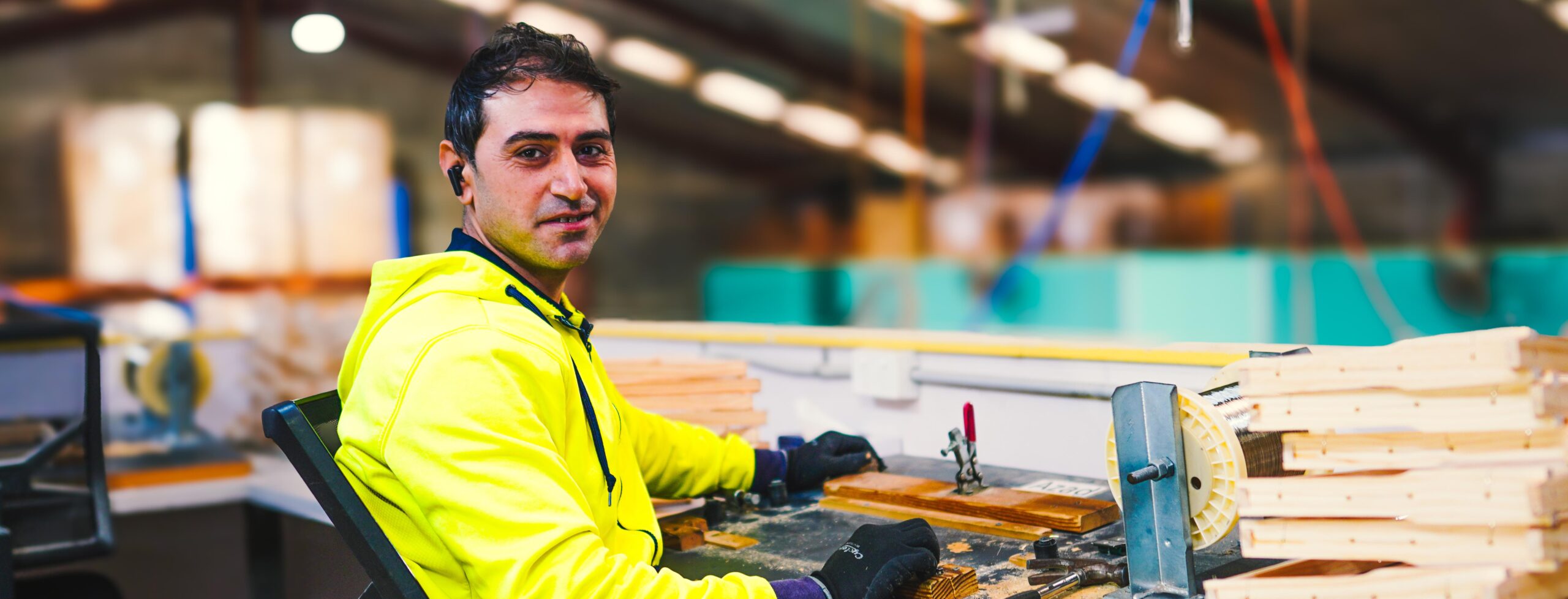
Today, on the International Day of People with Disability, we are reminded that an inclusive society is not only a
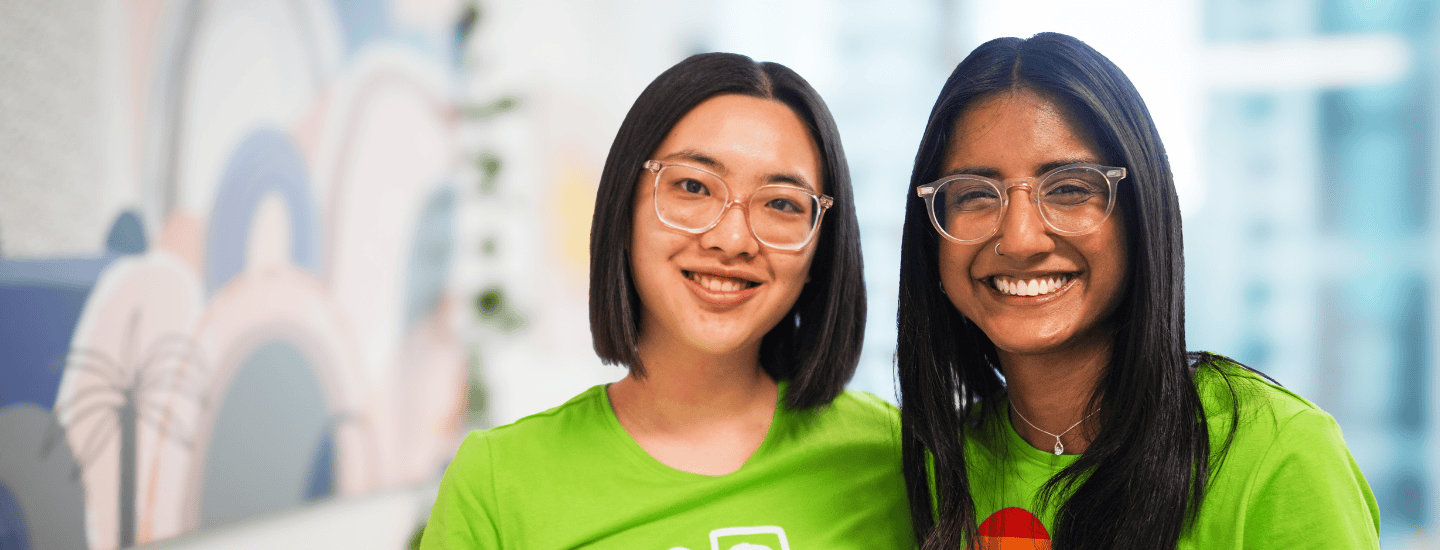
Every young person deserves access to safe, inclusive and effective mental health support. At headspace, the national youth mental health
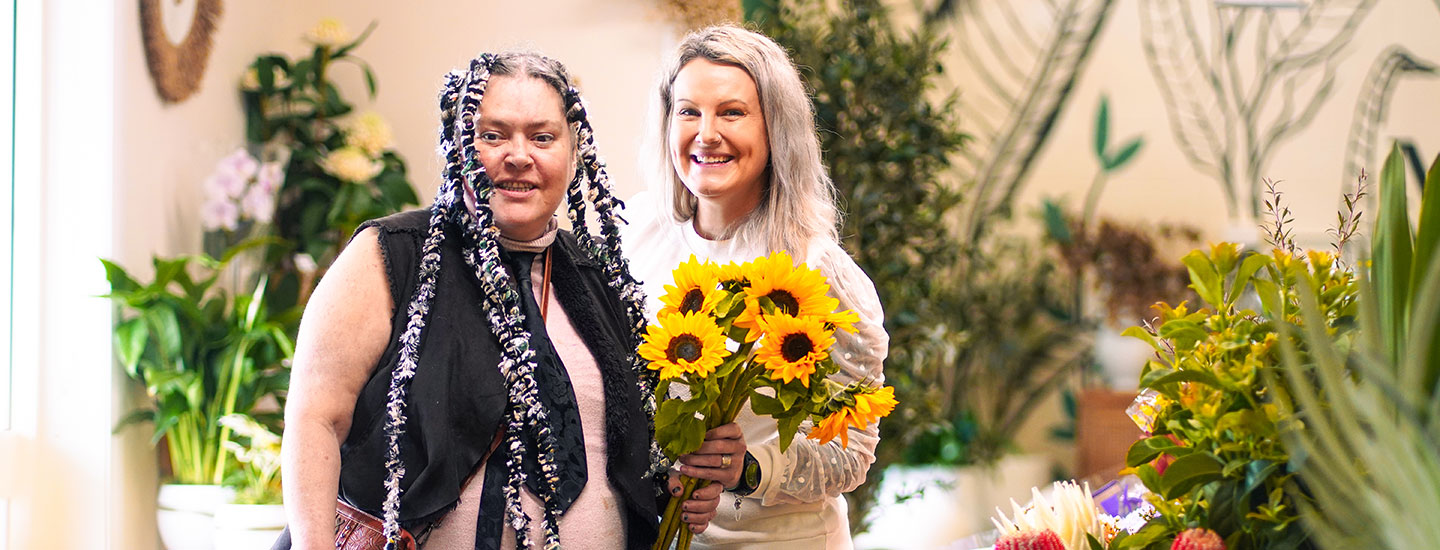
Mental Health Month in October is all about awareness, connection, and action. If you’re struggling or just feel like something

For Mental Health Month, we sat down with Daniela Allison, General Manager for Sydney and the Central West at New

For our CEO Luke Buckley, one of his first experiences out of university became the foundation of his life’s work.

As we mark mental health month, it’s a chance to pause and reflect not only on the importance of looking
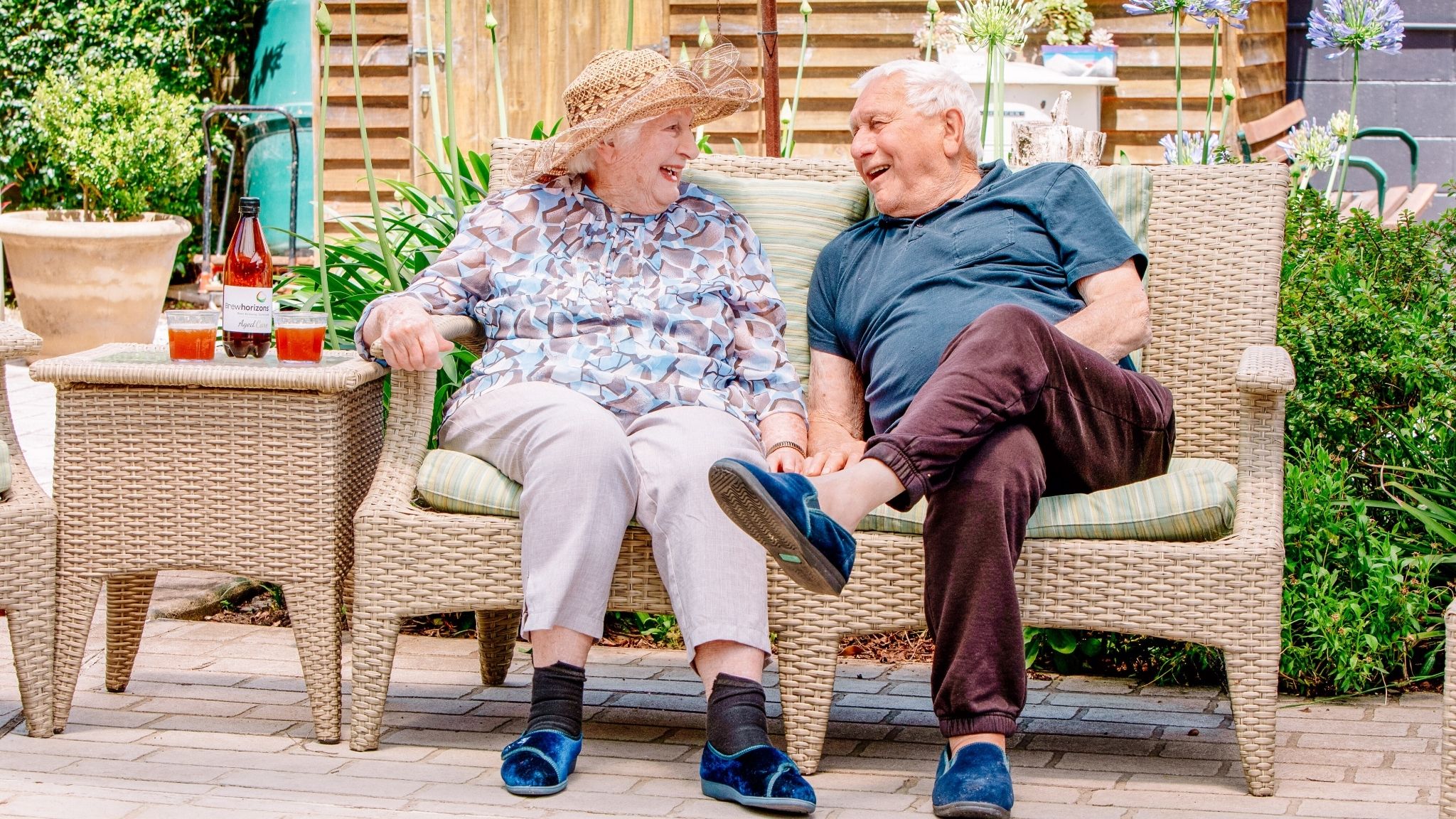
The way aged care support is delivered in Australia is evolving, and here at New Horizons, we’re ready to guide
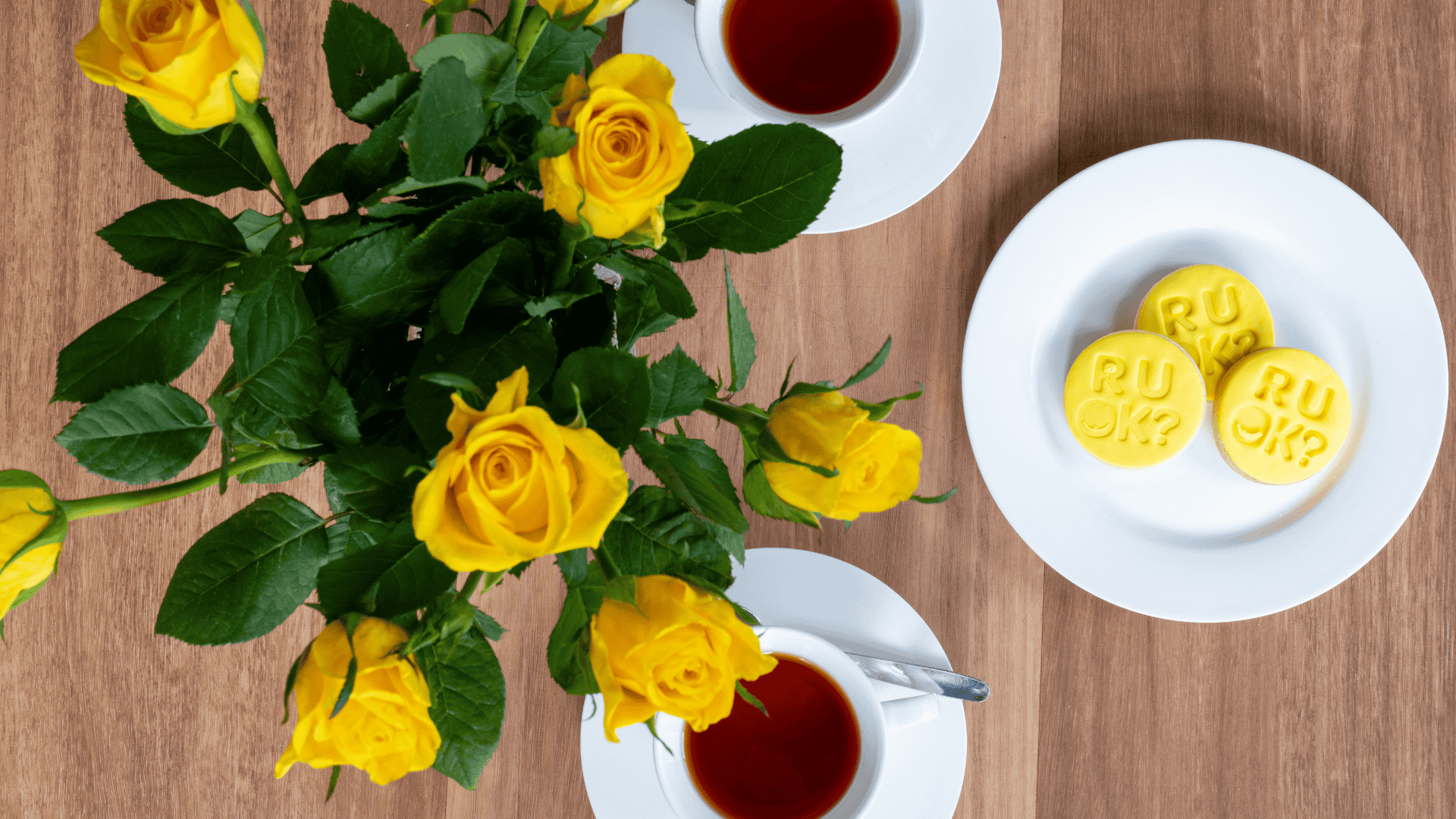
This R U OK? Day (September 11, 2025), Australians are being reminded that conversations about mental health shouldn’t happen just
We can support you to overcome isolation, reduce loneliness, build confidence, develop relationships, participate in activities, and connect with family,
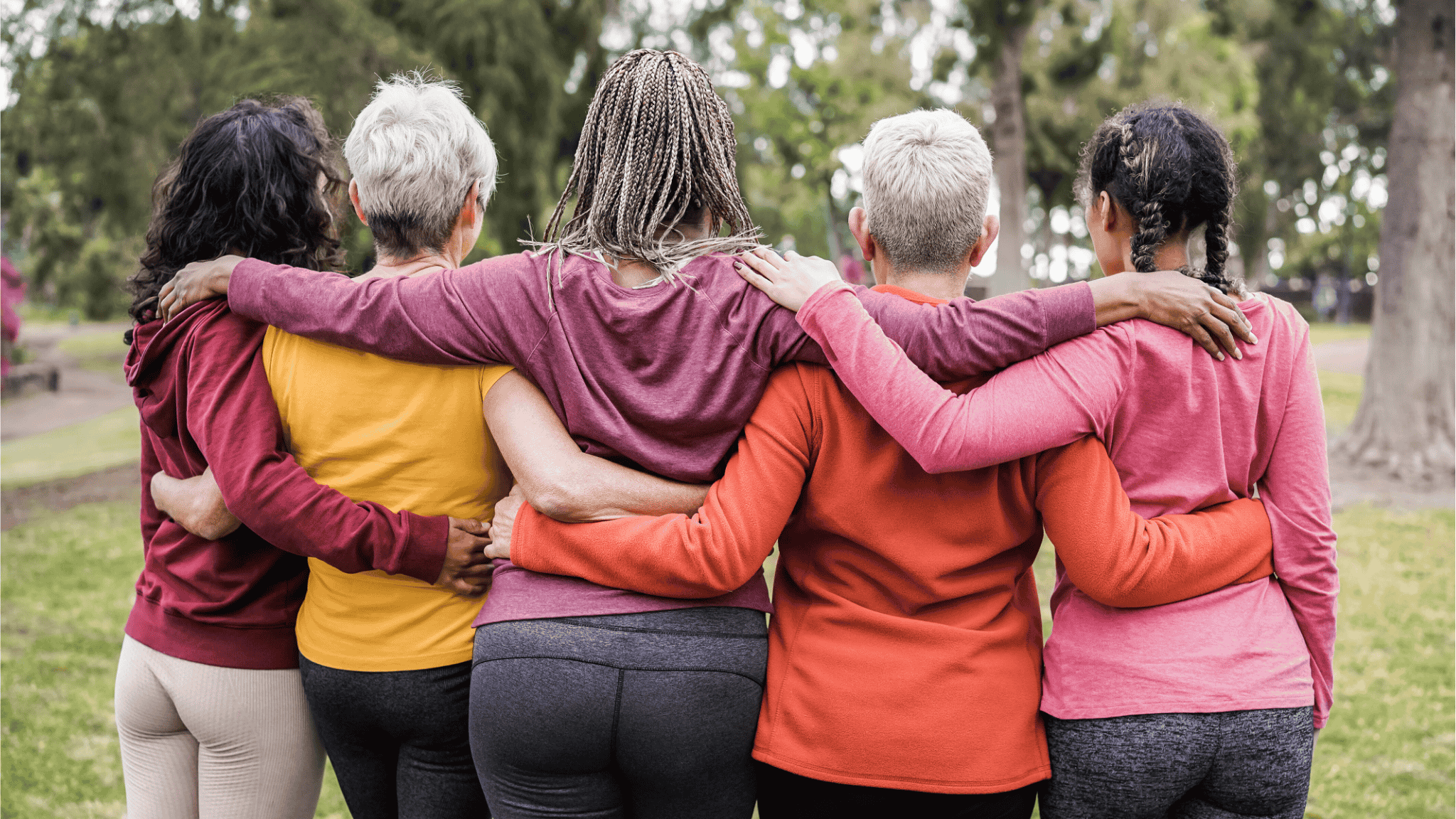
Navigating the complexities of mental health can often feel isolating. While professional support plays a vital role, the understanding and
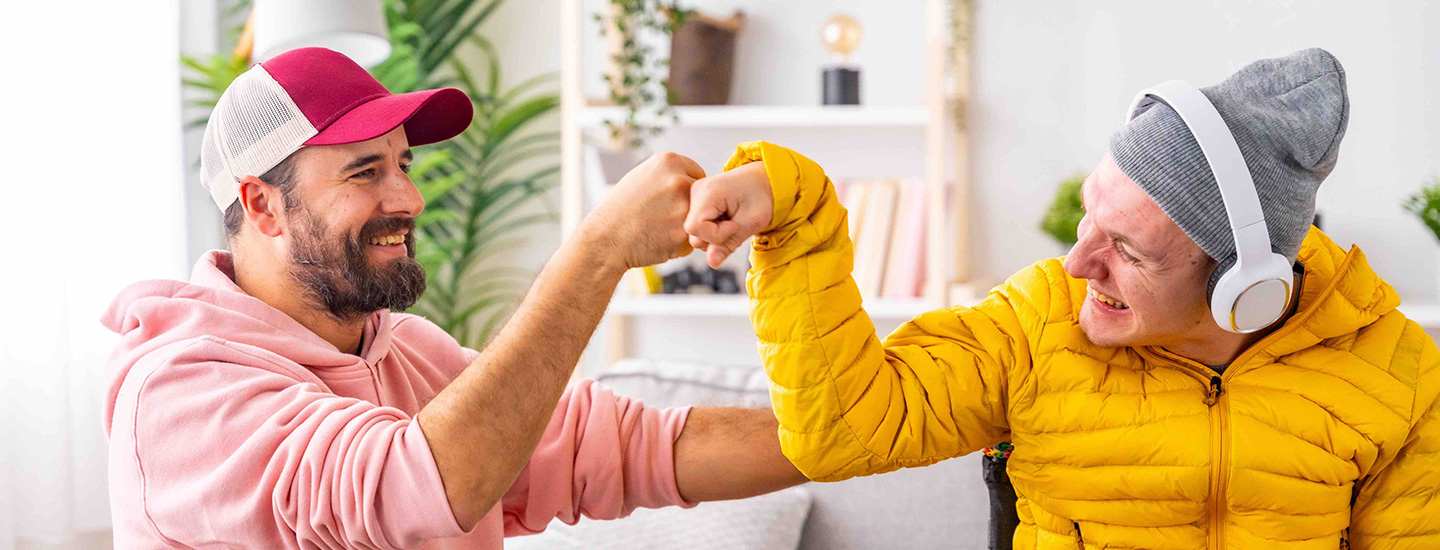
Choosing a SIL home is a big decision, and it’s all about finding a place where you feel comfortable, safe,