
Meet Jay Gardener, New Horizons’ lived experience lead
This Mental Health Month, the theme is “a little connection goes a long way”. To explore what that means in
As we mark mental health month, it’s a chance to pause and reflect not only on the importance of looking after our own wellbeing, but also on the incredible work being done across the sector to support individuals, families and communities. Few people have had a career as far-reaching or as influential in shaping mental health services as Peter Gianfrancesco.
With more than four decades of experience, Peter has seen first hand the evolution of mental health care. Today, he continues to play a key role in service design, strategy and innovation, and is well regarded as a passionate advocate for people living with mental health challenges.
In this wide-ranging conversation, we spoke with Peter about his career journey, the challenges and opportunities facing the sector, the importance of mental health month, and how he personally looks after his own wellbeing.
Peter, you have over 40 years of experience in mental health. Could you tell us a little bit about your career journey and why you wanted to work in the mental health sector?
From that point on, I trained as a mental health nurse, moved to Sydney, moved into the Crisis Teams movement in the late 1980s and early 1990s, and then spent about five years working on the National Standards for Mental Health Services and accreditation system in Australia.
After that, I became the CEO of a charity in the UK called MIND. It was there that I really started to appreciate the non-government sector and the innovation that can happen there, which is not so easy in the public sector. I spent 15 years doing that job, and when I came back to Australia, I worked as the state manager for Neami National. For the last few years, I’ve been the Executive Director of TheMHS and also work as a mental health consultant.
Looking back, what are some of the most significant changes you’ve seen in the way mental health is understood and supported in Australia?
I think the biggest change has been the rise of the lived experience workforce. Working with lived experience leaders was always a part of the way I did my work when I was in Australia working on the National Standards, but what we’ve really seen over the last 15 years is the development of the peer workforce and lived experience influencer roles across organisations and at all levels.
I think that’s fundamentally changed the way we think about mental health services and the way we think about the relationship between various types of disciplines.
So the peer workforce has fundamentally changed mental health services for the better?
It’s not just the peer workforce, it’s lived experience leadership and advocacy that sits around that. It has certainly changed for the better; most importantly it’s given many people who use mental health services a much softer entry into support.
What’s been the most rewarding moment in your career so far?
In the UK, I worked in a county that had a very low mix of people from different cultural and language backgrounds. It was a very white middle class county. The British government started placing asylum seekers and refugees into small villages across the county. People were very isolated and very hard to reach and see as a group. So with my colleagues, we established a football club called Tiger FC and it became – and still is – a very successful football club that had its management and players drawn from asylum seekers and refugees across the county, predominantly from West African nations.
Seeing how those young men typically grew through that experience and exposure and connection was probably my proudest moment.
What a wonderful experience. I want to talk now about mental health month. This year’s theme is “Taking Steps on Your Wellbeing Journey.” What does that theme mean to you personally?
Whenever I hear the word ‘wellbeing’ used in relation to mental health, I feel good, because one of the things I’ve always advocated for is for mental health service providers to be universally relevant. So to be able to offer a service to anyone who needs support along that journey to better mental health and wellbeing.
In terms of mental health month and the theme, I think it’s great we’re seeing mental health services emerge in Australia that are designed for everyone, easy to access, don’t require lots of different permissions, and allow people to talk about their experience more collectively and get help much faster.
Why do you think having a dedicated mental health month is important, and what do you hope people take away from it?
I think anything that gets us to focus on mental health and draws attention to the experience of people with mental health challenges and the developments and new innovations in service delivery is a really good thing. It challenges stigma and discrimination.
I think probably the best thing that happened to mental health awareness was COVID. Everyone was thinking about their mental health needs and vulnerabilities. But it’s very easy for that to drift off again. Mental health month gives us a reminder each year to sustain momentum and keep talking about it and make it easier for people who experience mental health challenges to be open, ask for help and get good help.
From your perspective, what are the biggest challenges facing communities when it comes to mental health right now?
I think there’s still a bit of stigma and discrimination, and it’s still quite hard to talk openly about having a mental health challenge. For people with more severe and complex challenges, that stigma tends to be amplified and we see that play out in terms of opportunities for employment, good physical health, citizenship or secure housing.
It’s important to retain visibility for those people who don’t have a very loud voice and include them in decisions we make. We know there are many people who are homeless, in prisons, long stay wards and boarding houses with mental health challenges. These people are largely hidden away from us. So even though we’ve seen an amazing resurgence of lived experience advocacy, their voices are still silent in all that. So a big challenge is how we reach those people and give them a voice.
What role do organisations like New Horizons play in breaking down stigma and supporting people on their mental health journey?
Working at both ends gives New Horizons quite a unique perspective on what people’s needs are but also how we need to tailor and adjust the type of support we deliver to them.
You’ve worked in the mental health sector for decades. Mental health work can be both inspiring and challenging. How do you look after your own wellbeing?
It’s a really important question, and one we should be asking everyone who wants to work in this field. The first thing is I’m honest about it. I’m fortunate to work for organisations that put a value on people being able to speak about vulnerability and put in adjustments to support people when they need it.
I’m also fortunate to have a family and support network that makes it easy for me too. I make sure there’s a way to talk about my experience and to share it. And then to listen to the advice of people I trust and to be open to trying that advice.
The other thing is thinking of the decisions you make about your life in terms of getting the balance right between work and home. It’s about trying to make sure within both work and home life you have opportunities to be fulfilled and challenged and take a risk here and there to try and move things forward. But the most important thing is having people you can talk to and be willing to listen to.
What message would you like to share with mental health staff and the wider community during mental health month?
I would say that we have a duty as citizens – not just as people who work for a mental health organisation – but a duty that goes beyond that to challenge stigma and discrimination, to call out language that is psychologically damaging, and to be curious about the experience that other people have. I think it’s also important to not make assumptions that just because someone has a job and seems to be doing OK that they actually are OK.
One of the things I saw at the TheMHS conference was an example of some anti-stigma work in the UK where the message was just “ask twice.” So when someone says they’re fine, just ask again. Like, “are you sure you’re OK?” I think if we all do that for each other, we create a better world and people who need support can get it more easily, and that’s key to recovery.
This Mental Health Month, the theme is “a little connection goes a long way”. To explore what that means in
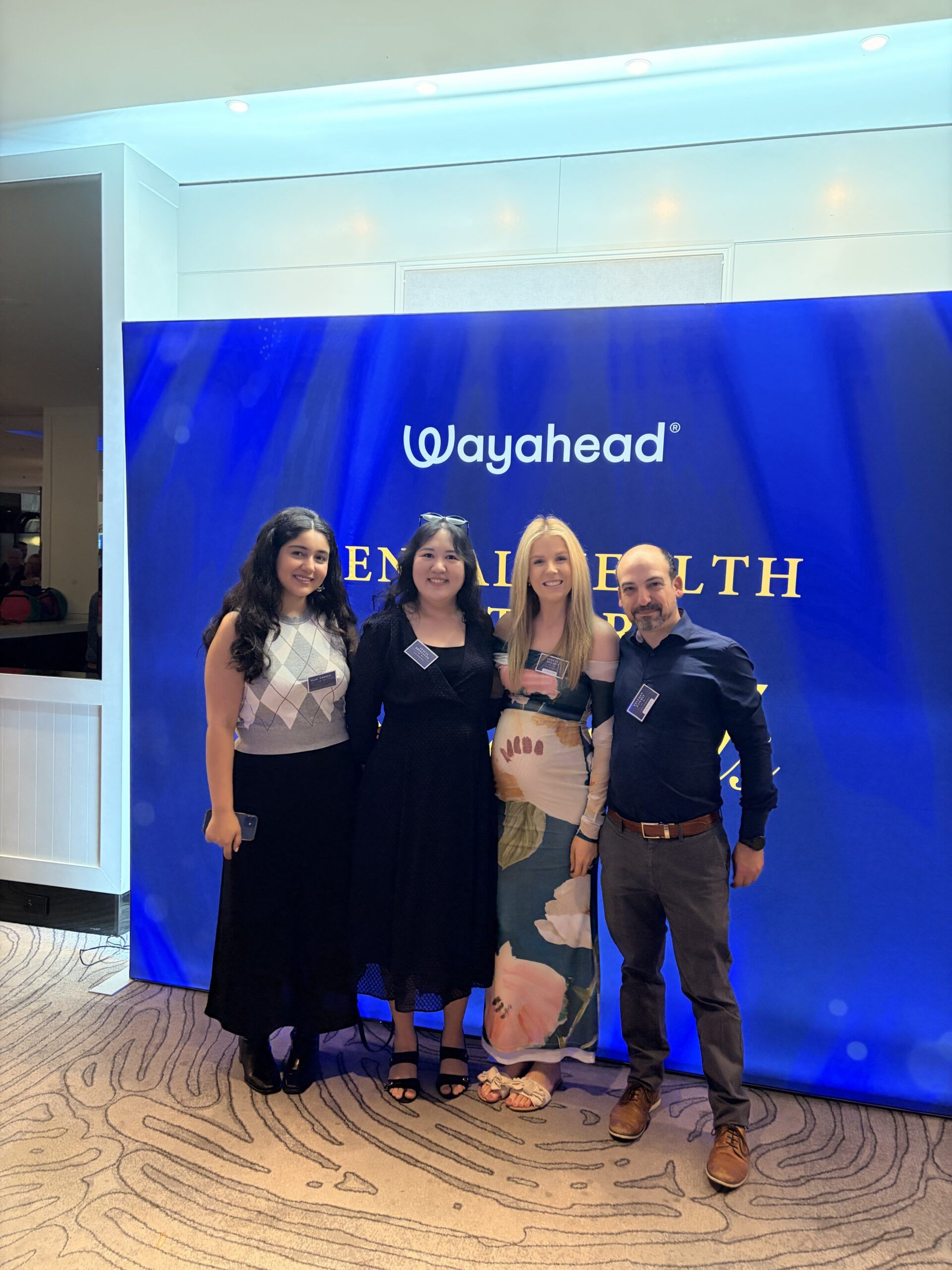
New Horizons is proud to announce that our pioneering suicide aftercare program, i.am, has been awarded the Mental Health Matters
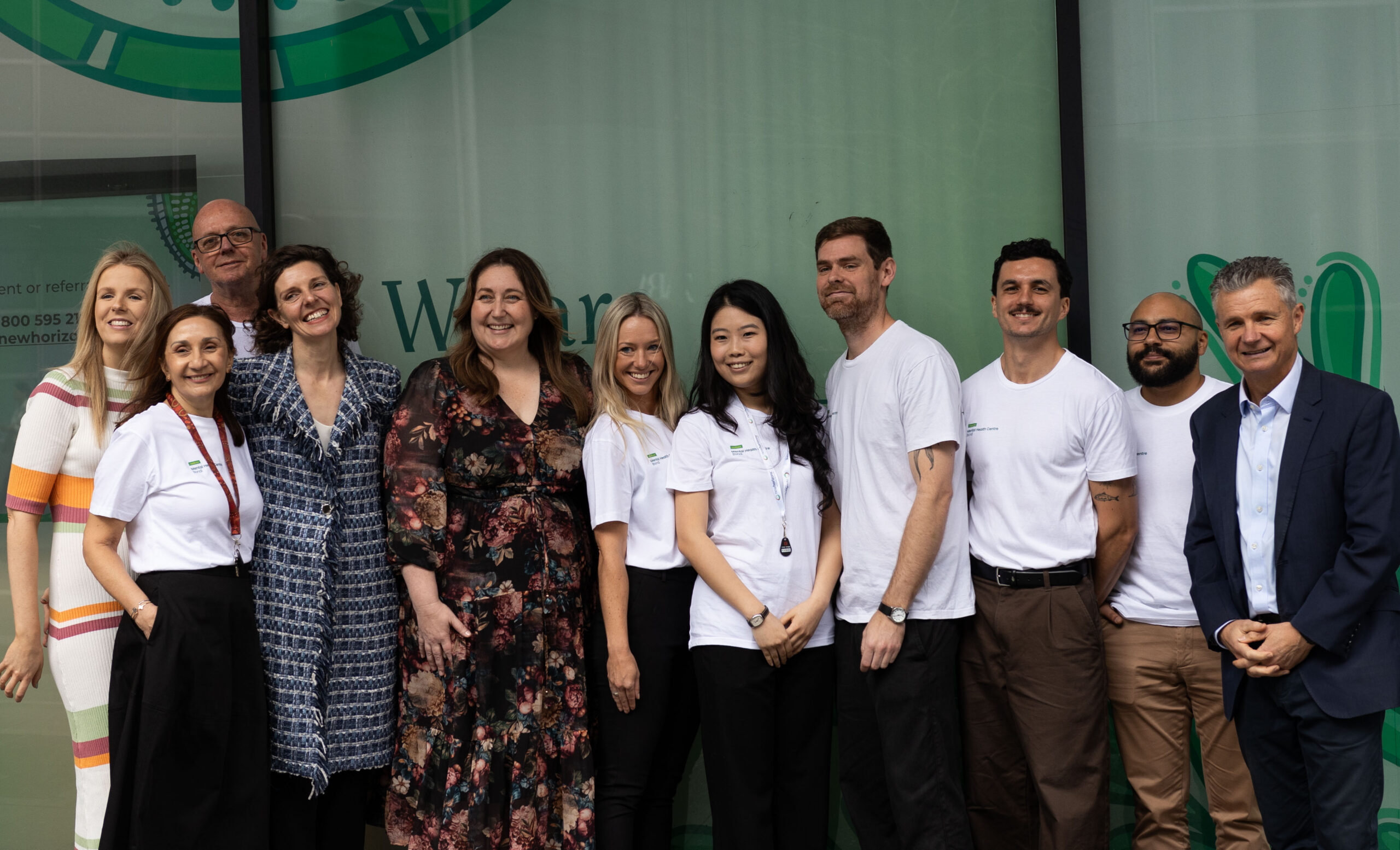
We're delighted to announce the official opening of the Bondi Medicare Mental Health centre. Delivered by New Horizons and commissioned

For the past few months, teams across New Horizons have been gearing up for a huge milestone: the launch of
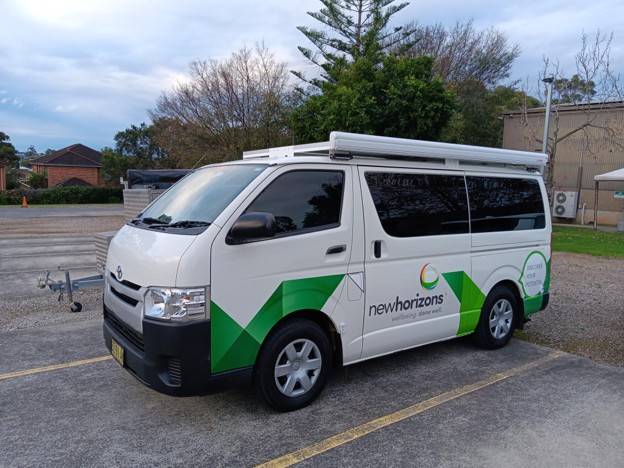
New Horizons has proudly launched a new outreach van in Kempsey, bringing homelessness support services directly to the people who
This R U OK? Day (Thursday, 10 September 2026), Australians are being reminded that checking in on each other shouldn't
“Men’s Mental Health Week (15–21 June) is a chance to break down the silence that still surrounds men’s mental health.”
“Men’s Mental Health Week (15–21 June) is a chance to break down the silence that still surrounds men’s mental health.”
Finding a workplace where you can be your whole self shouldn't be a privilege, it should be a given.
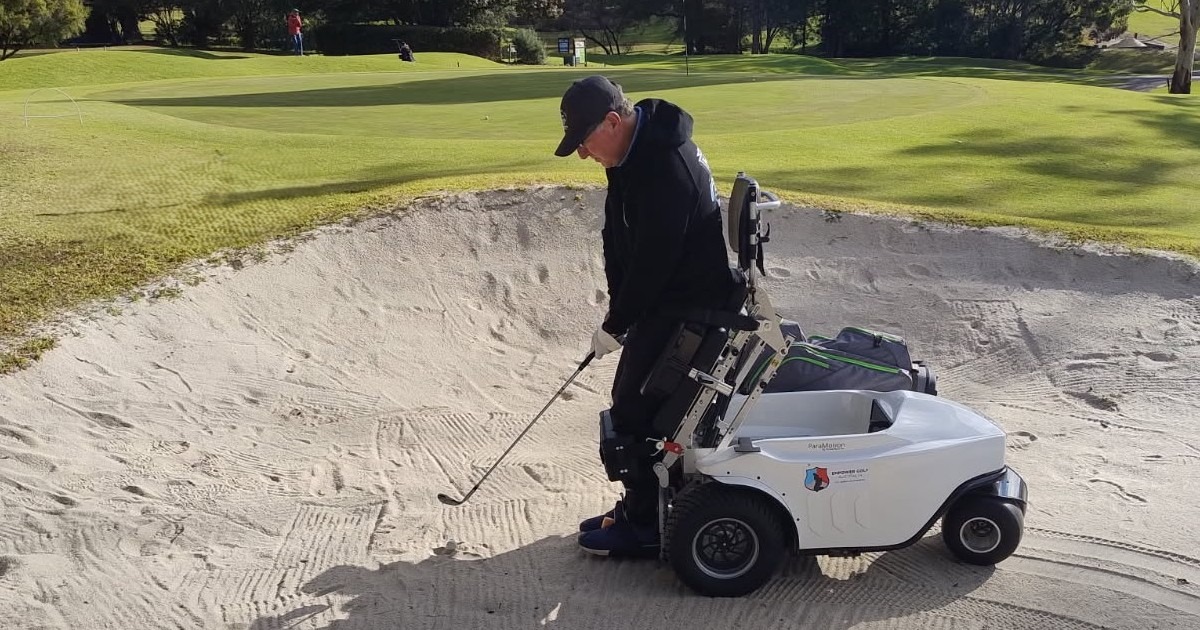
Meet Jason Sheard, Australia’s top-ranked wheelchair golfer and a proud New Horizons Support Coordination client. Having moved from occasional social
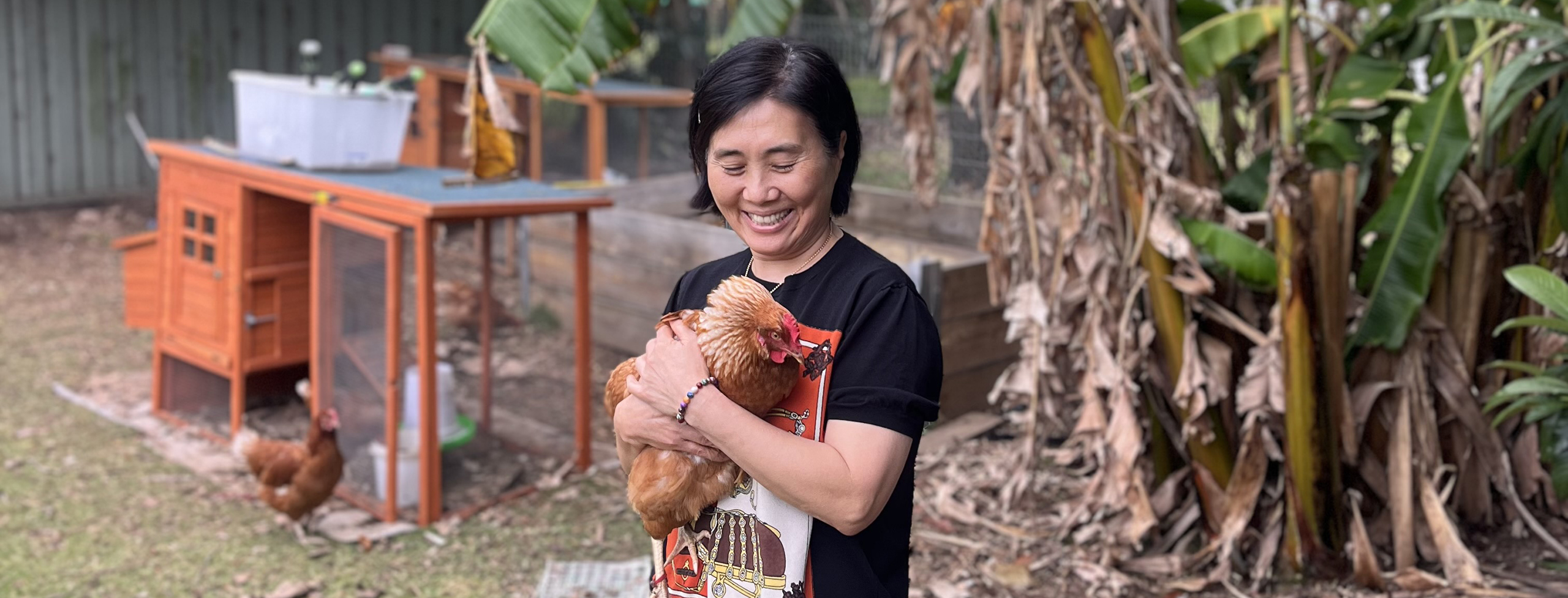
In the convenient Sydney suburb of Ryde, three men share a home that's full of personality, warmth, and routine. This

Today, on the International Day of People with Disability, we are reminded that an inclusive society is not only a
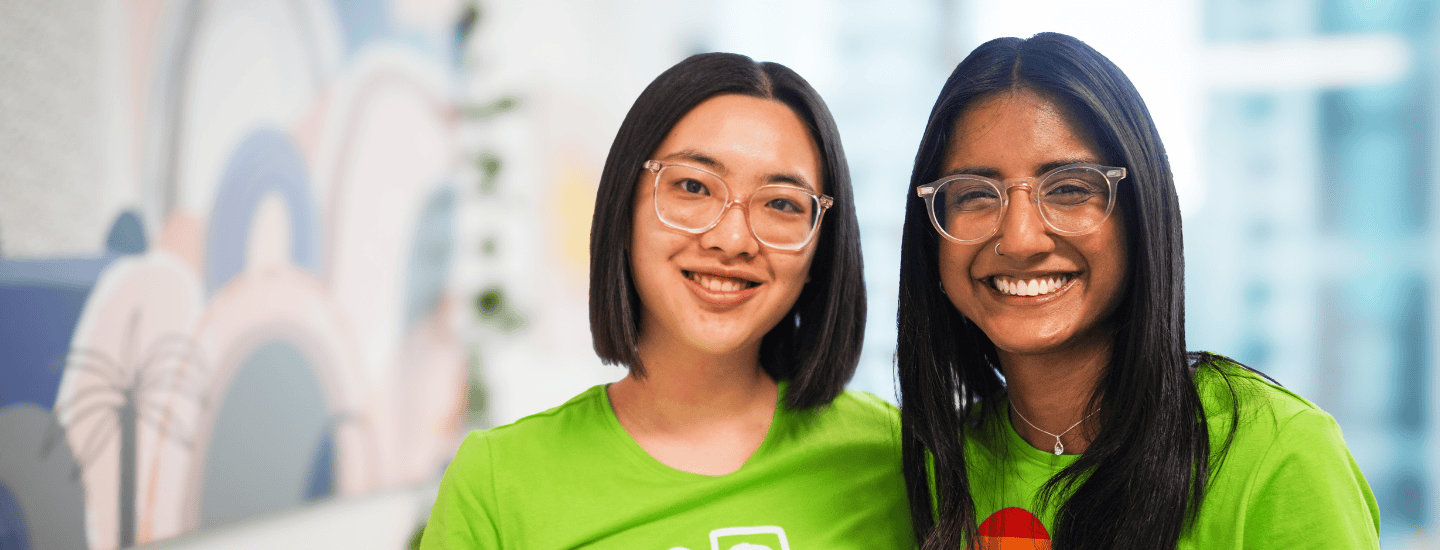
Every young person deserves access to safe, inclusive and effective mental health support. At headspace, the national youth mental health
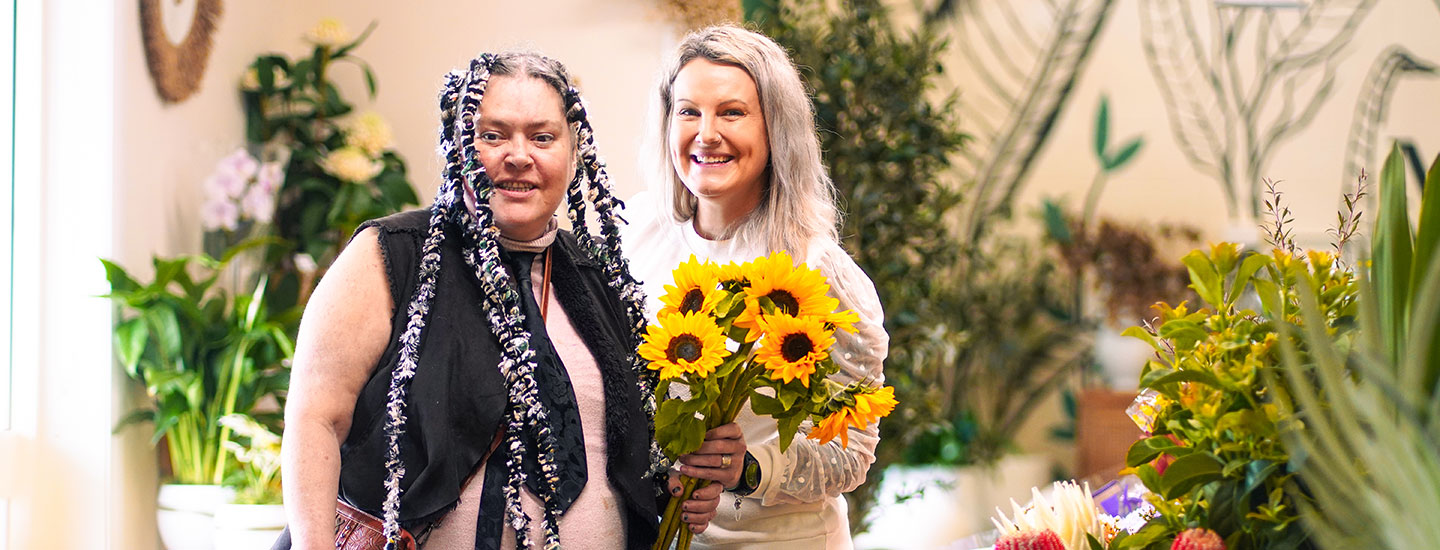
Mental Health Month in October is all about awareness, connection, and action. If you’re struggling or just feel like something

For Mental Health Month, we sat down with Daniela Allison, General Manager for Sydney and the Central West at New

For our CEO Luke Buckley, one of his first experiences out of university became the foundation of his life’s work.

As we mark mental health month, it’s a chance to pause and reflect not only on the importance of looking
The way aged care support is delivered in Australia is evolving, and here at New Horizons, we’re ready to guide

This R U OK? Day (September 11, 2025), Australians are being reminded that conversations about mental health shouldn’t happen just
Navigating the complexities of mental health can often feel isolating. While professional support plays a vital role, the understanding and
Choosing a SIL home is a big decision, and it’s all about finding a place where you feel comfortable, safe,